
This toolkit was developed by Lara Haggerty and Sarah Kristiansen from The Greene School, and by Nicole Sly from New Roots Charter School, with support from partners at Common Ground High School, the Green Schools National Network, MassCOSH, and Boston Green Academy.
Students' work in the toolkit is organized using the 4PBL model, developed by Jenny Seydel and Gerald Lieberman -- where students encounter an engaging Phenomenon, explore how it shows up in their local Place, take on a meaningful Project for a public audience, and then use their knowledge to propose and implement solutions to real-world Problems.
In this practice toolkit, you'll find an overview of this 4PBL experience, along with resources -- curriculum modules, data collection tools, sample student work, blog posts, and photos from the course -- designed to help other schools and educators engage in environmental problem-solving work. Access a 4PBL curriculum toolkit (google docs).
Phenomena: Solid Waste: What waste do schools create? Where does it go when we throw it “away”?
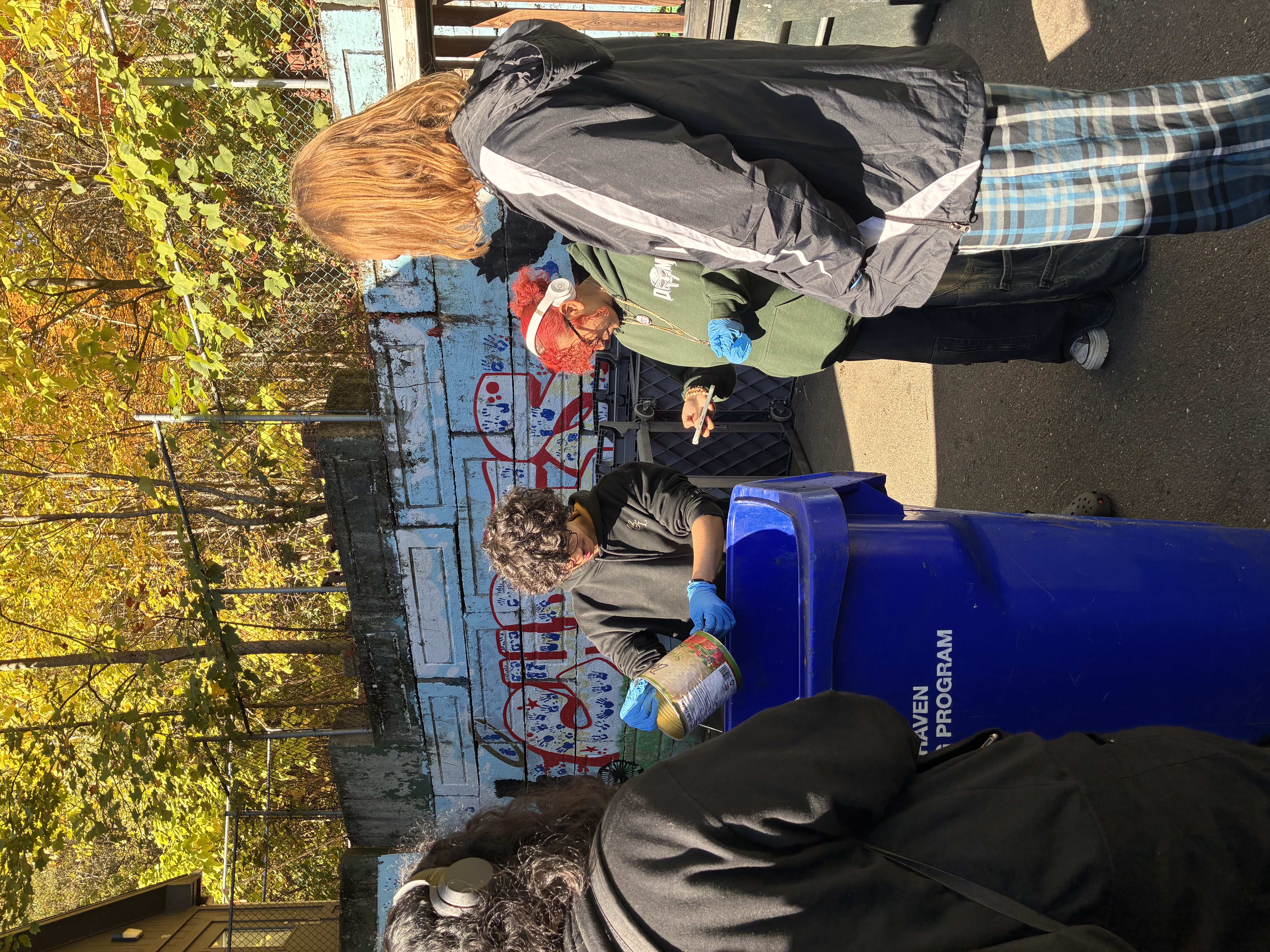
In this learning experience, students engage with a relevant, real world phenomenon: Our schools generate a huge amount of waste — uneaten food, reams of paper, broken or obsolete electronics, single use plastics, landscape materials, and so much more. Where it goes when we throw it “away” is often a mystery to students and adults in our schools – because our school waste systems are inevitably complex and often dysfunctional, and because they are tied to larger systems that are even more complex and often even more unsustainable. Following the downstream consequences of our schools’ waste allows us to understand these systems – and contribute to more sustainable waste systems.
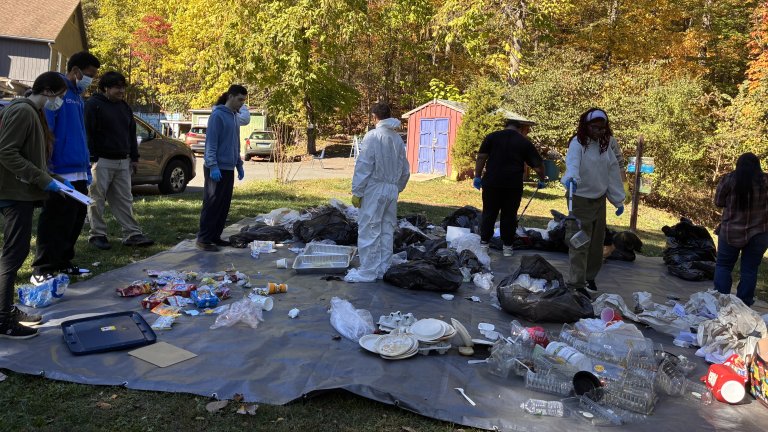
4PBL starts with an Immersion Experience: The Great Trash Heap. The teacher curates a “trash heap” that is reflective of the waste streams at their school, and includes compostables, recyclables, trash, e-waste, textiles. Students work together to sort and analyze these materials.
Place-Based Investigation: Exploring the Wasteland
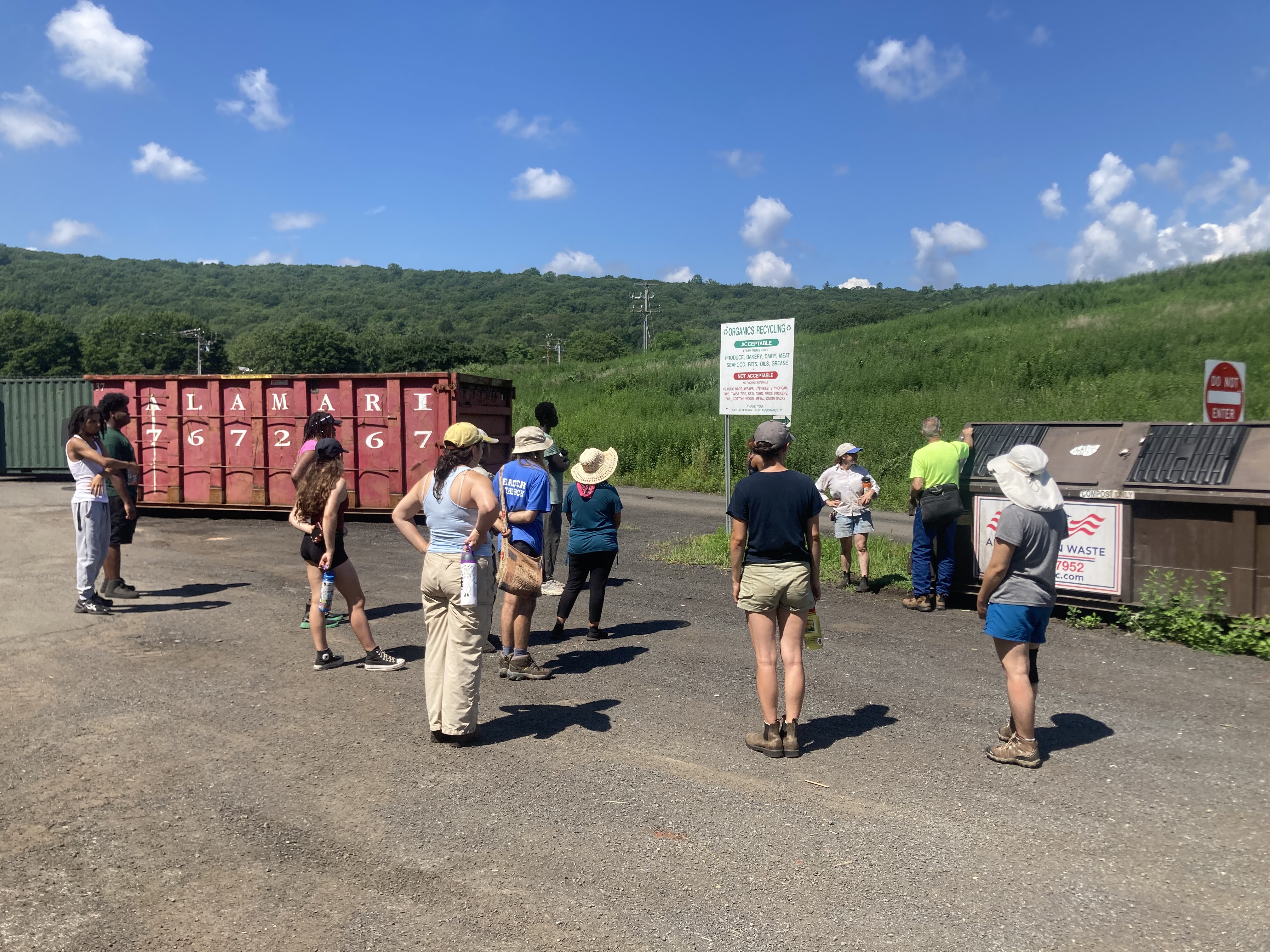
Building on this immersion experience, students dive place-based investigation: They follow where specific kinds of trash from their school go when they is thrown away, and research the local policies and systems related to the waste stream in their place - creating digital or physical systems maps showing how waste moves in their community.
The Place section of this toolkit includes a range of text-based resources and field experiences. Recognizing differences in community partners, facilities, etc., we recommend choosing the volume of experiences and texts that match with your time limitations.
Project: School Campus Waste Audit
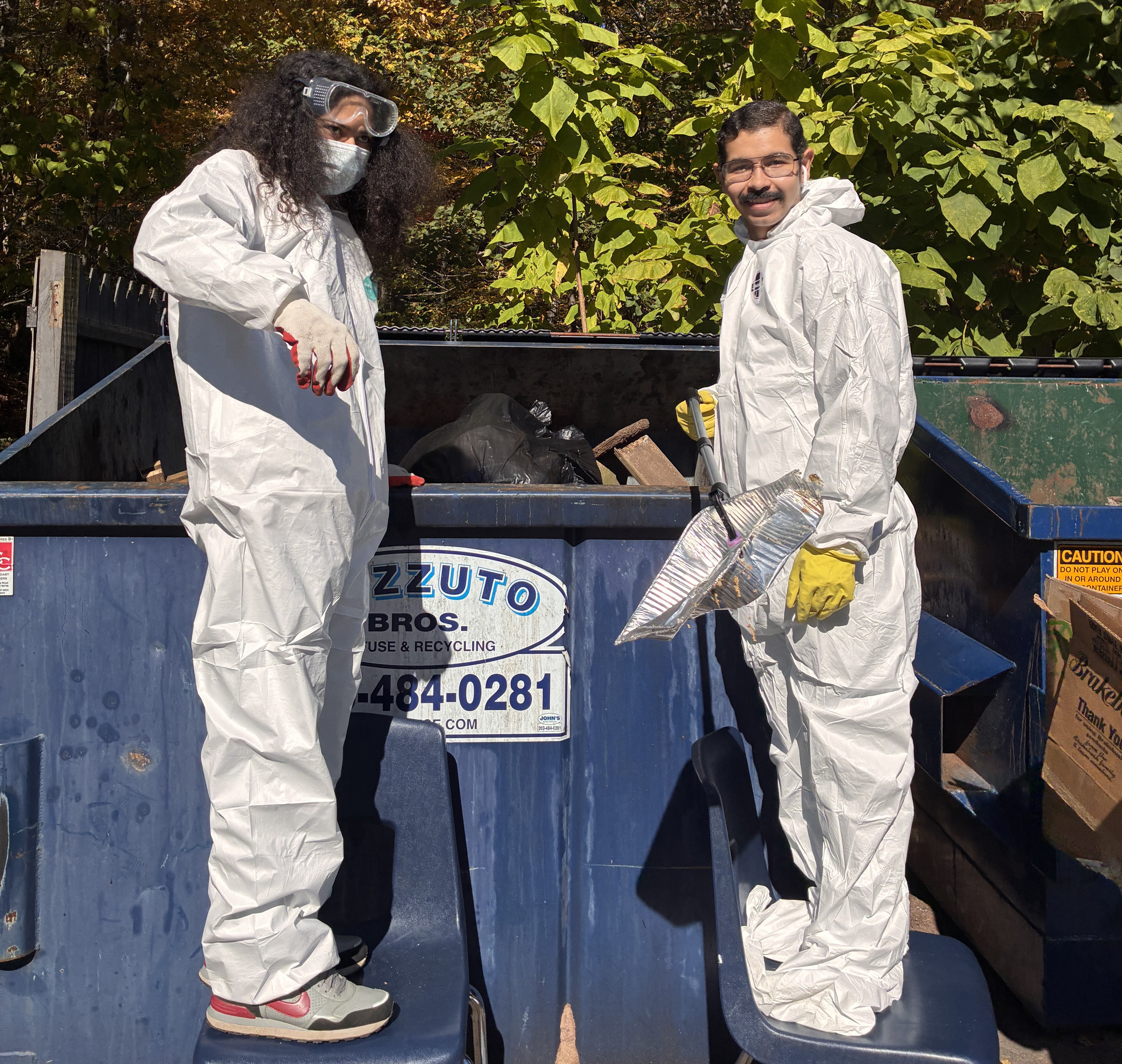
After initial exploration, students will collaborate in small groups to conduct deeper analysis of the management of waste on their campus. Using the data collection sheets and protocols from EPA, EcoRise, or student-developed data collection tools, students will collect data from multiple areas within the school. Students' work can result in a formal research report and presentation for their fellow students and school leaders:
- Introduction/Abstract: What did we investigate, why, what did we hypothesize, and what did we discover?
- Methodology: How did we collect our data, and what limitations should readers understand?
- Presentation of Data: What do our graphs, tables, and figures reveal?
- Analysis of Data/Results: What patterns do we notice, and what conclusions are supported by evidence?
- 1-2 Problem Statements: What specific problem does our evidence demonstrate needs attention?
Problem-Solving: Reimagining Waste: from Campus to Community
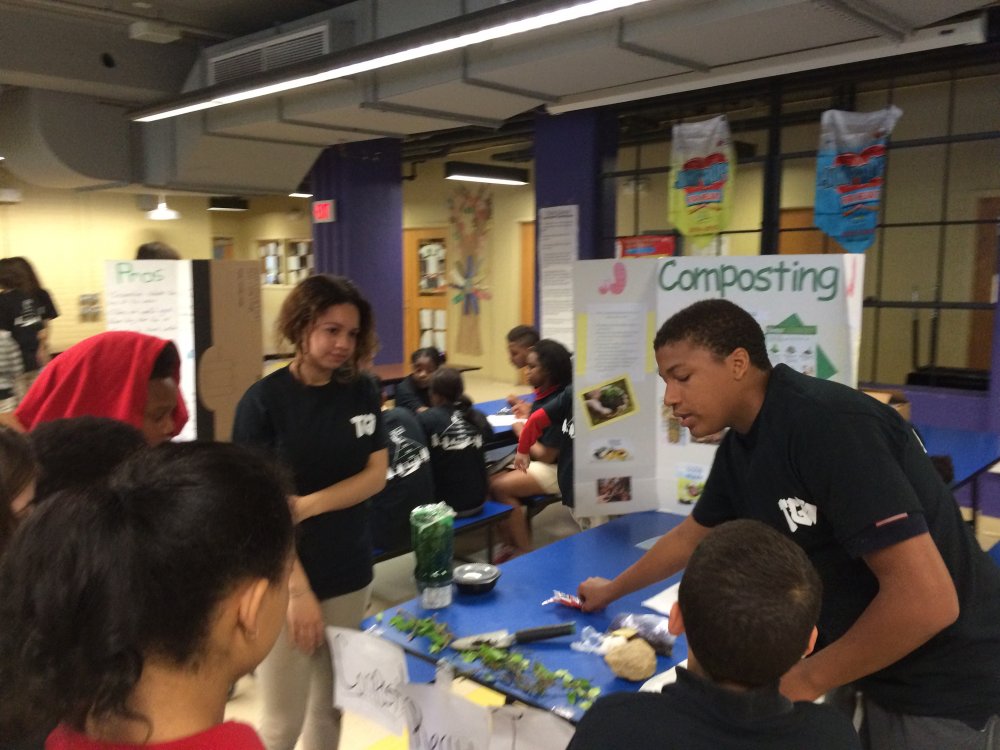
Students’ problem-solving can begin with the problem statement that emerged from their waste audit. For example: “Our school produces too much waste that goes into local landfills.” From there, they can follow a sequence of steps:
- Grounding their work in cradle to cradle design and life cycle analysis
- Refining their problem statement and determining how they will measure success
- Ideating potential solutions to the challenge
- Prototyping potential solutions,
- Testing their designs
- Reflecting on their experience and identifying ways they can improve and iterate their solutions.